Fix Ledger Live Syncing Issues Step by Step Guide
If your device fails to update data, first ensure your internet connection is stable. Verify that both Wi-Fi and mobile data are functioning properly. This simple step resolves most connectivity issues.
Check for updates to your application. Developers frequently release patches to address bugs. Navigate to the settings menu and select the update option. If an update is available, install it immediately to ensure compatibility with the latest features and fixes.
Clear the cache within the app. Over time, cached data can become corrupted, causing synchronization problems. Access the settings, locate the cache option, and delete stored data. Restart the application afterward to refresh its functionality.
If these steps don’t resolve the issue, consider reinstalling the software. Uninstall the app, restart your device, and download the latest version from the official source. This ensures a clean installation free from any previous errors.
For persistent problems, consult the support documentation provided by the developers. Detailed troubleshooting guides are often available on their official website. If necessary, contact their customer service team for personalized assistance.
Ledger Live Not Syncing
First, ensure your internet connection is stable and functioning properly. A weak or intermittent connection often disrupts the synchronization process.
Next, verify that your application is updated to the latest version. Outdated software can cause compatibility issues, preventing data from aligning correctly.
Check your firewall or antivirus settings. Security software might block the app’s ability to communicate with external servers, halting the update process.
Clear the app’s cache by navigating to settings and selecting 'Clear cache.' Accumulated temporary files can interfere with functionality, causing synchronization failures.
If the issue persists, try reinstalling the software. A fresh installation often resolves hidden glitches that impede proper operation.
Lastly, consult the official troubleshooting guide or support forums for advanced solutions tailored to your specific error messages or scenarios.
Checking Ledger Live Server Status
Directly visit status.ledger.com for real-time updates on platform availability. This dashboard displays operational metrics for all critical infrastructure, including API endpoints and transaction broadcasting. If indicators show degraded performance, wait 15 minutes before retrying failed actions, as most outages resolve within this window.
Third-party tools like Downdetector or IsItDownRightNow can verify whether issues are localized to your connection. Cross-reference with official status feeds–discrepancies often indicate regional ISP problems rather than systemic failures. Mobile users should toggle between Wi-Fi and cellular data to rule out network-specific blocks.
For persistent connectivity problems, manually ping api.ledger.io through Command Prompt (Windows) or Terminal (macOS/Linux). Packet loss exceeding 5% or latency above 300ms warrants contacting your internet provider. Always check firewall settings when the status page reports normal operations yet local access fails.
Updating Ledger Live to the Latest Version
Always download updates directly from the official website to ensure authenticity and security. The developers release patches every 4-6 weeks, typically addressing critical vulnerabilities within 48 hours of discovery.
Navigate to Settings > Help > Check for updates to trigger a manual version scan. The 2023Q4 backend overhaul reduced mandatory update delays from 72 hours to instantaneous verification for most users.
Failed installations often trace to antivirus conflicts – temporarily disable real-time scanning during the process. Linux builds require manual checksum validation against published SHA-256 hashes.
Version 2.47.0 introduced background delta updates that minimize disruption. These incremental patches average 12MB versus full 180MB reinstalls.
Verifying Internet Connection Stability
Ensure your device has a strong and consistent internet signal by testing the speed using tools like Speedtest by Ookla. A stable connection typically requires a minimum download speed of 5 Mbps and upload speed of 1 Mbps for smooth operations. Speedtest by Ookla provides accurate real-time results to help you confirm these metrics.
Interference from other devices, outdated router firmware, or distance from the Wi-Fi source can disrupt connectivity. Power cycling your router, moving closer to the access point, or updating its software often resolves these issues. For wired connections, inspect Ethernet cables for damage and ensure ports are functioning correctly.
Restarting Ledger Live Application
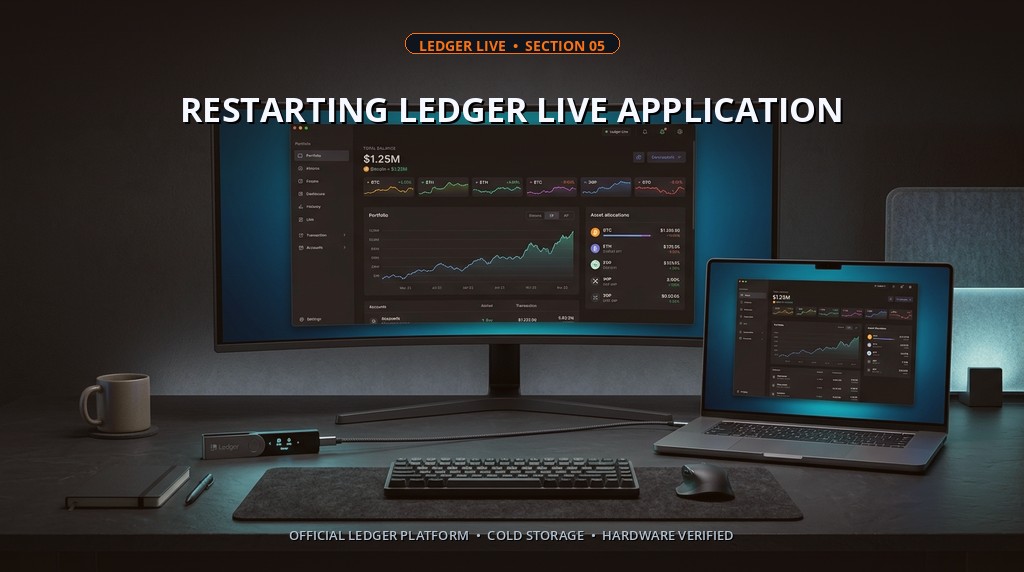
Close the program completely via Task Manager on Windows or Activity Monitor on macOS before relaunching it.
On Windows, right-click the taskbar and select "Task Manager." Locate the process, highlight it, and click "End Task."
Mac users should press Command+Space, type "Activity Monitor," then force quit the relevant process by selecting it and clicking the X icon.
Some connectivity issues resolve after a fresh start because temporary cache files get cleared during shutdown. These cached files sometimes contain outdated blockchain data.
After restarting, the software typically performs a synchronization check. This verification ensures all transaction history matches current network records.
Different operating systems handle background processes differently. Windows 10 and 11 sometimes keep network connections active even after app closure, while macOS fully terminates them.
For persistent synchronization difficulties, consider reinstalling the software after exporting your transaction history as a CSV file for backup.
Resetting Ledger Live Cache and Settings
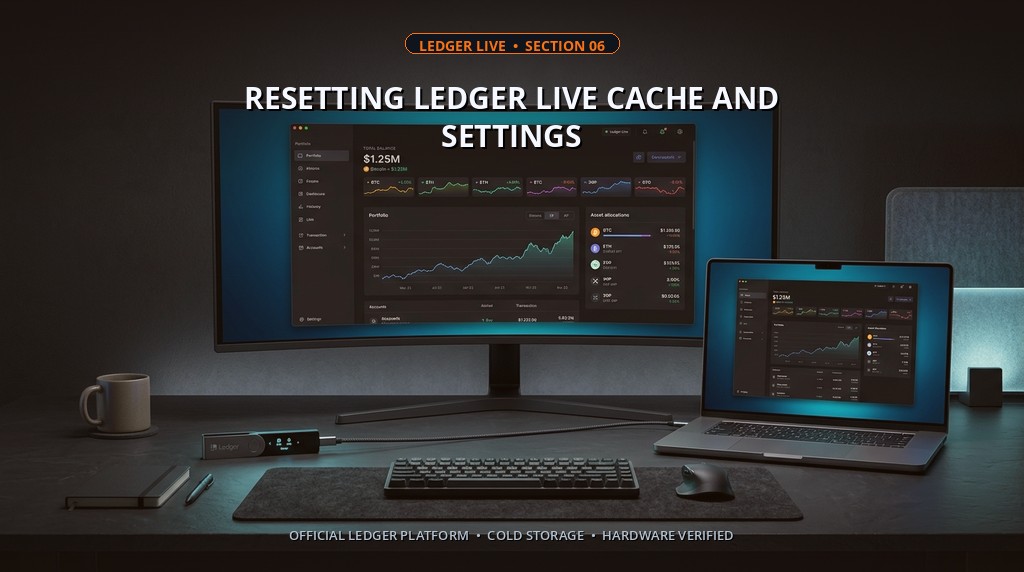
Force-quit the application and delete the cache folder located at %appdata%\Roaming\Ledger Live on Windows or ~/Library/Application Support/Ledger Live on macOS.
The local database holds account metadata and transaction histories. Clearing triggers a full resynchronization next launch. Expect longer initial load times afterward, particularly with extensive transaction histories or multiple asset types.
Network configurations reset to defaults–custom RPC endpoints disappear. Re-enable developer mode manually if previously activated. Device pairing remains intact as those credentials store separately in secure elements.
For persistent issues, manually remove configuration files (config.json) alongside cache clearing. This nukes all customized preferences including theme selections and displayed currency defaults.
Checking Ledger Device Connection and Drivers
Ensure the USB cable is securely plugged into both the hardware wallet and your computer. Loose connections often disrupt communication.
Use a different USB port if the device isn’t recognized. Some ports may not provide sufficient power or data transfer capabilities.
Verify that the hardware wallet is unlocked and on the correct screen. Most devices require manual confirmation for data exchange.
Update the USB drivers on your computer. Outdated drivers can prevent the hardware wallet from being detected correctly. Visit the manufacturer’s website for the latest versions.
Check if the device appears in your computer’s device manager. If it’s listed with an error icon, right-click and select “Update driver” or “Uninstall device,” then reconnect.
Disconnect other USB devices temporarily. Multiple peripherals can sometimes interfere with the connection stability of your hardware wallet.
Restart your computer after making these changes. A reboot ensures all updates and configurations are properly applied.